If you’re planning a new driveway or replacing an old one in Hagerstown, one of the first decisions you’ll face is choosing between asphalt and concrete. Both materials can hold up well in Maryland’s climate, but they perform differently when it comes to cost, maintenance, appearance, and long-term durability. Making the wrong choice for your property can mean paying more in repairs down the road, or ending up with a driveway that doesn’t match how you actually use your space.
We work with homeowners throughout the Hagerstown area every year to help them weigh these options based on their budget, timeline, and property needs. There’s a lot of general advice online about asphalt versus concrete, but the right answer really depends on your soil conditions, how much traffic your driveway sees, and what you want it to look like for years to come. This guide breaks down what you should know before making a decision, so you can go into the process with realistic expectations.
Understanding the Basics: Asphalt vs. Concrete Driveways
Asphalt and concrete are both common driveway materials, but they behave very differently once installed, both during the process and for years afterward. Knowing the basic makeup of each helps explain why one might be a better fit for your property than the other, and why contractors often recommend different approaches depending on the site.
Asphalt Driveways
Asphalt is a mixture of aggregate and bitumen that’s installed hot and compacted into place. It tends to install faster than concrete and is generally more forgiving of minor shifting in the ground beneath it, which makes it a common choice for properties with less-than-ideal soil conditions. Our asphalt paving and installation process focuses on proper base preparation first, since a well-compacted base is what keeps an asphalt driveway performing well for years. Skipping this step is one of the most common reasons asphalt driveways fail early.
Concrete Driveways
Concrete is a mixture of cement, aggregate, and water that cures into a rigid, solid surface. It’s less flexible than asphalt, which means it can be more prone to cracking if the ground beneath it shifts, but it also tends to hold its shape and finish longer when installed correctly. Curing time matters a great deal with concrete, since driving on it too soon can weaken the surface permanently. Our concrete flatwork and installation team pays close attention to proper curing time and joint placement to reduce the risk of cracking, especially around areas where the driveway meets a garage or walkway.
- Asphalt: faster installation, more flexible, typically lower upfront cost
- Concrete: longer curing time, more rigid, often longer-lasting finish
Cost Comparison: What to Expect for a Hagerstown Driveway
Cost is usually the deciding factor for most homeowners, and it’s one of the most common questions we hear during a site visit. While exact pricing depends on the size of your driveway, site conditions, and design choices, there are some general patterns worth knowing before you start comparing quotes.
Upfront Installation Costs
Asphalt driveways typically cost less upfront than concrete driveways of the same size. This is one reason asphalt is popular for larger driveways or properties where budget is a primary concern.
Long-Term Cost Considerations
Concrete driveways often have a longer lifespan before major repairs are needed, which can offset the higher initial cost over time. Asphalt driveways require more frequent maintenance, such as sealcoating, but those maintenance costs are usually lower per visit than major concrete repairs. Over a 20 to 30 year period, the total cost of ownership between the two materials can end up closer together than the upfront price tags suggest, which is why it helps to think in terms of total lifespan rather than just the initial invoice.
Property size also plays a role. Larger driveways tend to favor asphalt from a pure cost standpoint, while smaller driveways or those with more decorative elements may not see as large a price gap between the two materials.
- Asphalt: lower upfront cost, moderate ongoing maintenance
- Concrete: higher upfront cost, less frequent but potentially costlier repairs
- Both: proper installation reduces long-term costs significantly
We always recommend getting a clear, honest quote before comparing materials side by side, since site conditions can shift the numbers in either direction.
Installation Timeline: What to Expect in Hagerstown
Timeline is another practical factor that often gets overlooked until homeowners are already partway through planning. If you need your driveway ready quickly, whether for a move-in date or a seasonal deadline, the material you choose can affect how soon you’re able to use it.
Asphalt Installation Timeline
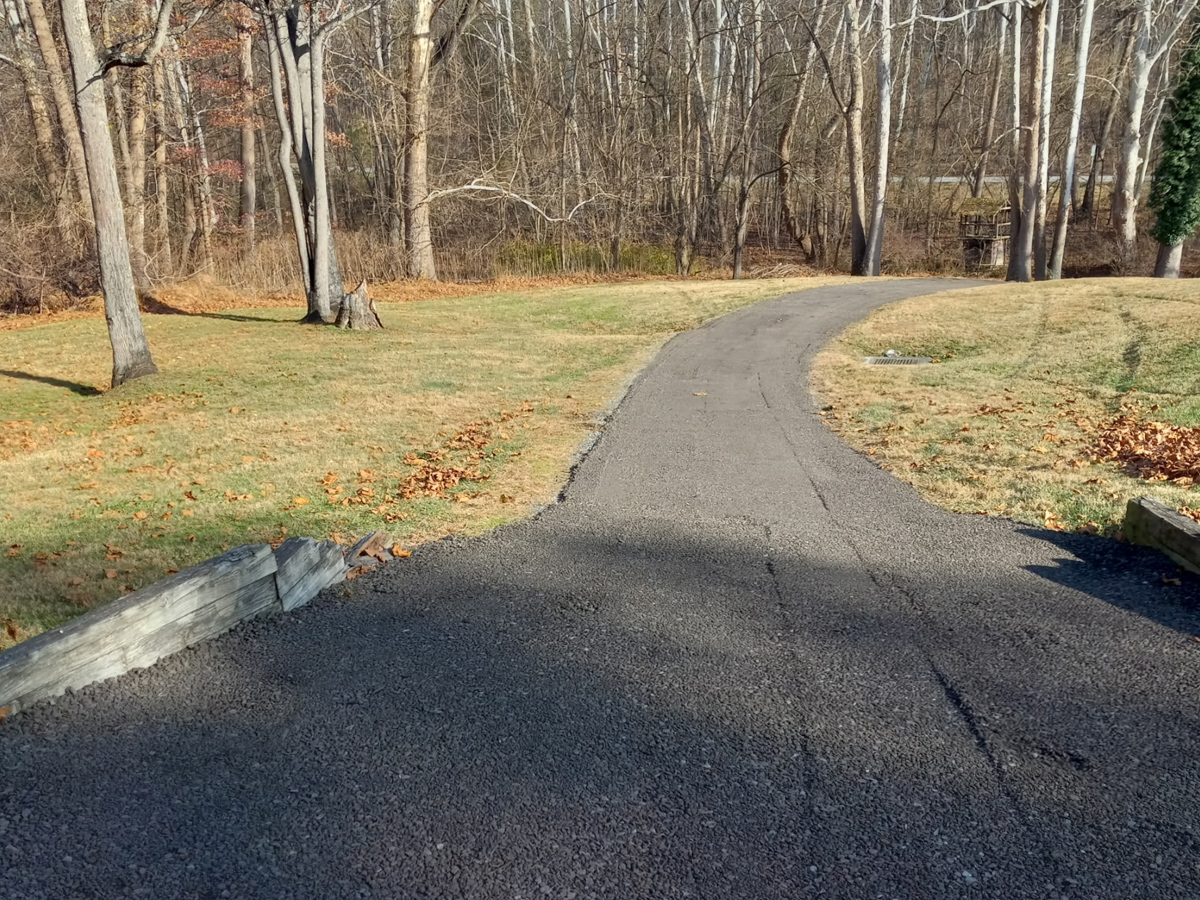
Asphalt driveways generally move faster from start to finish. Once the base is prepared and the asphalt is laid and compacted, the surface typically cools enough to handle foot traffic within a day, and light vehicle traffic within a few days. Weather can affect scheduling, since asphalt needs to be installed within a certain temperature range for proper compaction.
Concrete Installation Timeline
Concrete takes longer to cure properly. While the surface may look ready within a day or two, it typically needs about a week before foot traffic and closer to a month before it can safely handle regular vehicle weight without risking damage to the surface. Planning around this longer curing window is important if you’re working with a specific timeline.
- Asphalt: usable for light traffic within days of installation
- Concrete: full curing can take several weeks before regular vehicle use
Durability and Maintenance in Maryland’s Climate
Hagerstown and the surrounding tri-state area see real seasonal swings, from summer heat to winter freeze-thaw cycles. Both materials can perform well here, but they respond differently to temperature changes and require different upkeep. Choosing the right material for our regional weather patterns can add years to your driveway’s usable life.
How Asphalt Holds Up
Asphalt’s flexibility actually works in its favor during freeze-thaw cycles, since it can expand and contract slightly without cracking as easily as a rigid surface. Routine asphalt repair and maintenance, including sealcoating every few years, helps extend its lifespan and keeps small cracks from turning into bigger problems.
How Concrete Holds Up
Concrete is more susceptible to cracking from ground movement and de-icing salts if it isn’t sealed properly. On the plus side, it generally doesn’t require the same level of routine maintenance that asphalt does, aside from occasional sealing and crack monitoring.
- Asphalt: needs sealcoating every 2-3 years, flexible in freeze-thaw conditions
- Concrete: less frequent maintenance, but repairs can be more involved when needed
Regardless of which material you choose, staying on top of small issues early is always more affordable than waiting until they become larger repairs. A quick inspection each spring can help catch cracking or drainage problems before winter makes them worse.
Curb Appeal and Design Options
Beyond function, many homeowners also weigh how each material looks and how much design flexibility it offers. Since your driveway is one of the first things people see when they pull up to your home, it’s worth thinking about how it fits with your overall exterior style, not just how it performs.
Asphalt’s Look and Feel
Asphalt has a clean, uniform black finish that many homeowners like for its simplicity. It’s a straightforward option that pairs well with most home styles without drawing extra attention to the driveway itself.
Concrete’s Look and Feel
Concrete offers more design flexibility, including options like stamped patterns, exposed aggregate, and various finishes or tints. If curb appeal and customization are priorities, concrete typically gives you more to work with.
- Asphalt: simple, uniform, low-maintenance appearance
- Concrete: more finish and design options for a customized look
Neither option is objectively better looking than the other. It really comes down to personal preference and how your driveway fits into the overall style of your home and neighborhood.
Which Material Fits Your Hagerstown Property?
The right choice often comes down to a few key factors specific to your property and goals rather than a one-size-fits-all answer.
Questions to Consider
- What’s your budget for both installation and long-term upkeep?
- How soon do you need the driveway ready for use?
- Is the soil on your property prone to shifting or drainage issues?
- Do you want design flexibility, or do you prefer a simple, uniform look?
- How much vehicle traffic, including larger trucks or trailers, does your driveway see regularly?
- Are you planning to sell your home in the next several years, or is this a long-term investment in your property?
Heavier vehicles and frequent traffic can affect how each material holds up over time, so it’s worth thinking about how your household actually uses the driveway day to day, not just how it will look on move-in day.
Soil and drainage conditions matter more than many homeowners expect. Before any driveway goes in, proper grading and site preparation makes a real difference in how either material performs over time. If your property has drainage challenges or an uneven base, that’s often a bigger factor in long-term performance than the material itself.
We walk every Hagerstown homeowner through these questions during a site visit so the recommendation is based on your actual property, not a generic answer. With over 20 years of hands-on construction experience, our team has seen firsthand how the right prep work and material choice affect a driveway’s performance for decades, not just the first few years.
Quick Comparison Checklist Before You Decide
- Asphalt: lower upfront cost, flexible in freeze-thaw conditions, needs periodic sealcoating
- Concrete: higher upfront cost, more design options, less frequent maintenance
- Both: perform best with proper grading and base preparation
- Your decision should factor in budget, timeline, soil conditions, and design goals
- A site visit and honest quote will give you the clearest picture for your specific property
There’s no universally “better” material. It comes down to what matters most for your home, your budget, and how you plan to use the space.
Get Started With Your Driveway Project Today
Whether you’re leaning toward asphalt or concrete, our team can help you make the right call for your Hagerstown property. We’ll assess your site, walk you through honest pricing for both options, and handle everything from grading to final finishing with the same attention to detail on every project. No pressure, just straightforward advice you can count on, backed by decades of hands-on experience in Maryland driveways.
Ready to move forward with your driveway? Get a Free Quote from our team today and let’s talk about what makes the most sense for your home, your budget, and your timeline.
Need Help with Your Paving or Construction Project?
Four Seasons Construction & Paving works with homeowners and small business owners across the tri-state area to deliver high-quality asphalt paving, driveways, custom decks, and home remodeling with honest recommendations and expert craftsmanship. Connect with our team today to discuss your project needs and get a free quote.
Like this article? Spread the word!
Related Posts
Asphalt vs. Concrete Driveways: Which Is Right for Your Williamsport Home?
Not sure whether to choose asphalt or concrete for your Williamsport driveway? Compare…
How Much Does an Asphalt Driveway Cost in the Tri-State Area? A Local Cost Guide
How much does an asphalt driveway cost in MD, WV & PA? See 2026 price ranges, cost…
How Much Does an Asphalt Driveway Cost in the Tri-State Area? A Local Cost Guide
How much does an asphalt driveway cost in MD, WV & PA? See 2026 price ranges, key cost…